Tilaukset Suomi toimitetaan tyypillisesti 48 tunnin sisällä paikasta riippuen.
Ilmainen toimitus Suomi kun tilauksen arvo on 50 EUR tai enemmän. Jos tilauksen arvo on alle 50 EUR, siitä periään toimitusmaksu 18 EUR.
Etukäteen maksettu UPS- tai FedEx-rahti: DDP (DigiKey maksaa tullimaksut)
Etukäteen maksettu DHL-rahti: CPT (tullimaksut ja arvonlisävero maksetaan toimitushetkellä)
Luottotili hyväksytyille instituutioille ja yrityksille
Etukäteismaksu pankkisiirrolla
![]()
![]()
![]()
![]()


Lisää tuotteita täysin valtuutetuilta kumppaneilta
Tuote lähetetään keskimäärin 1–3 päivän sisällä ja lähetyksestä saattaa syntyä lisätoimituskuluja. Katso tuotesivulta, ostoskorista ja maksuprosessista kauanko toimitus tulee oikeasti kestämään.
Incoterms: CPT (tullimaksut ja toimitushetkellä maksettava mahdollinen ALV/vero)

Katso lisätietoja linkistä Apu & tuki
This guide demonstrates how to add a custom object detection machine learning model to the XRP robot.
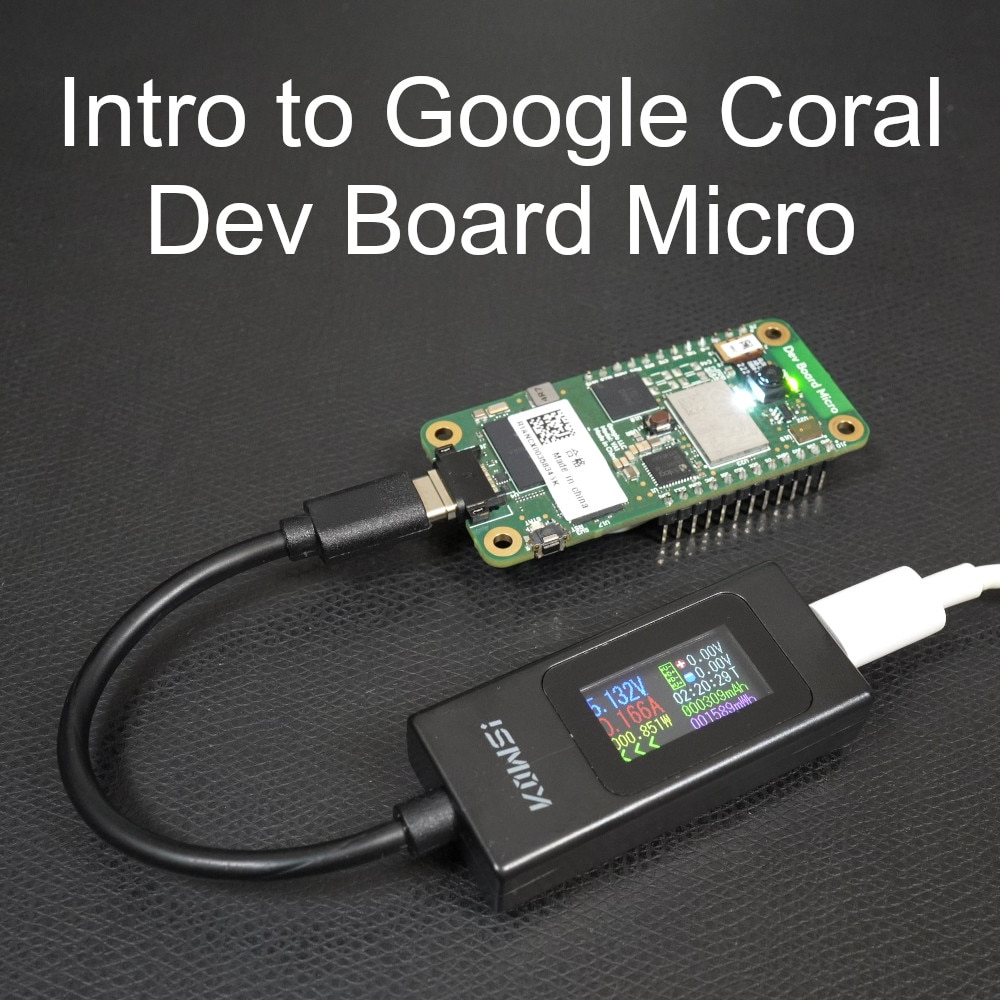
This tutorial demonstrates how to train and deploy a custom object detection model for the Google Coral Dev Board Micro.
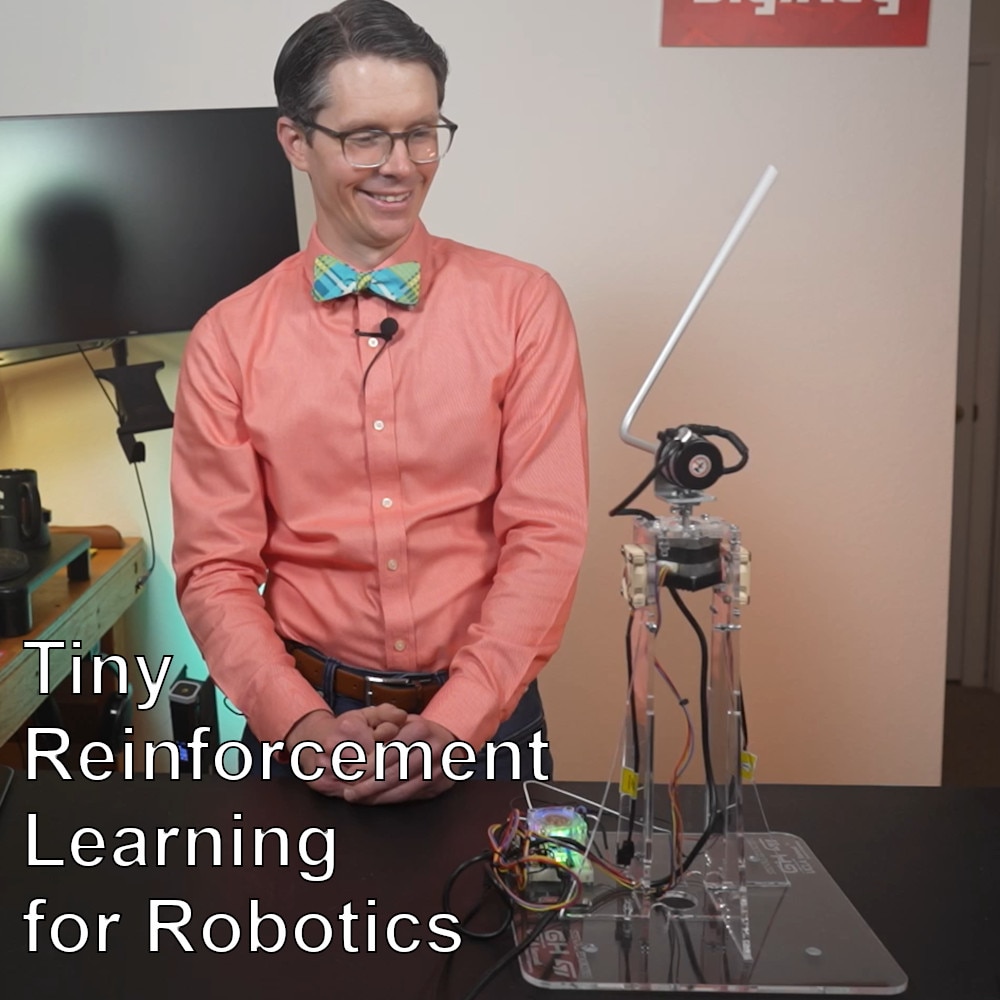
This project demonstrates using reinforcement learning to solve the swing-up problem on an inverted pendulum
This tutorial demonstrates hyperparameter tuning using Meta's Ax framework for a common reinforcement learning problem
In this tutorial, we demonstrate how to manually tune a PID controller.
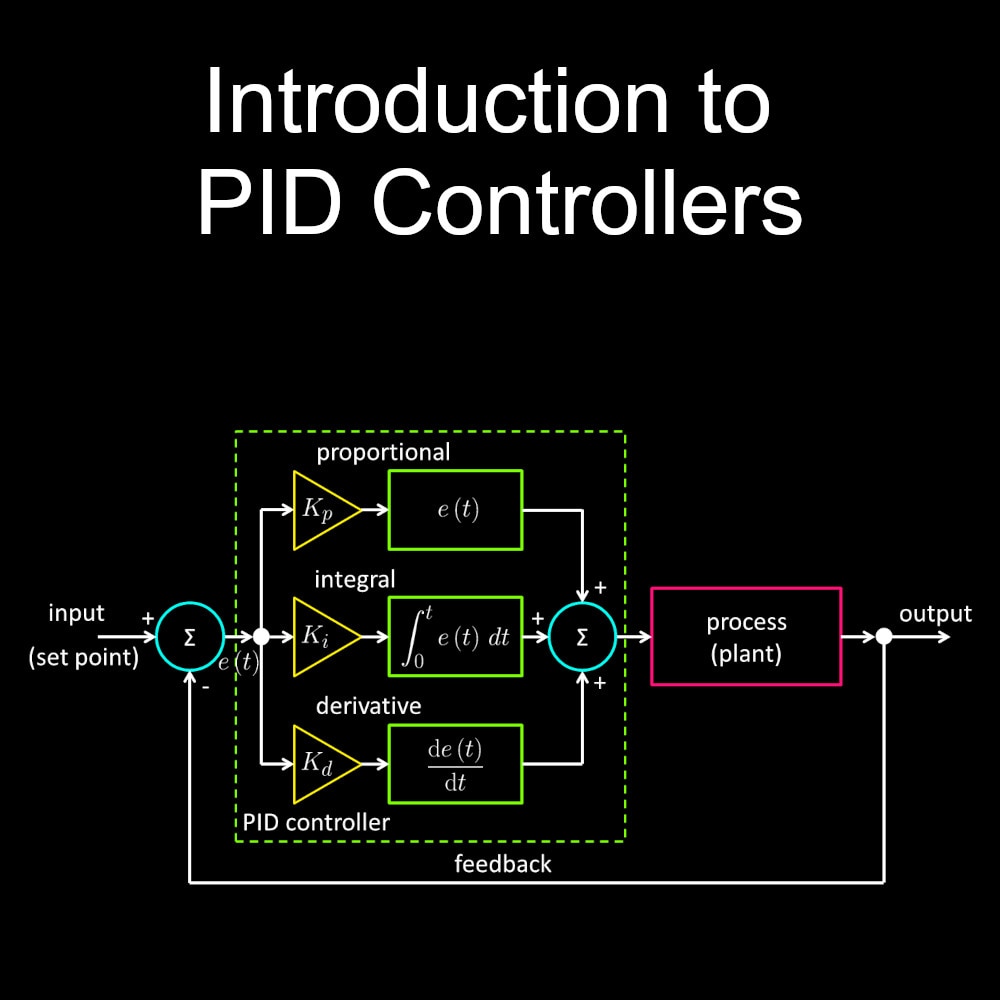
In this post, we cover the basic theory behind PID controllers. PID stands for “Proportional, Integral, Derivative," and they are commonly used in industrial settings to control various processes.
Digit's AI-powered brain enables local real-time voice conversations using Hopper Chat and Llama 3. Learn how to set it up with NVIDIA Jetson Orin Nano.
In this tutorial, we'll create a very simple button-controlled blinking LED program using Embassy's async functions and task spawning, demonstrating how async/await syntax allows you to write concurrent code that appears sequential while the executor efficiently switches between tasks.
In this tutorial, we’ll explore how to use the Raspberry Pi Debug Probe to perform step-through debugging in Rust.
In this tutorial, we'll explore how to configure and handle timer interrupts on the Raspberry Pi Pico 2, creating a blinking LED program where the processor spends most of its time sleeping while hardware interrupts handle all the timing.
In this tutorial, we'll explore how to apply TDD principles to embedded Rust by writing unit tests for our TMP102 driver library.
In this tutorial, we’ll discuss the concept of lifetimes and demonstrate a few ways in which you can help the compiler (and borrow checker) understand your intentions with references by using lifetime annotations.
In this tutorial, we'll learn how to create a reusable library (crate) in Rust by extracting our TMP102 sensor code into a separate package that can be shared across multiple projects.
Kiitos!
Seuraa sähköpostiasi, saat uutisia ja päivityksiä DigiKeyltä.
Syötä sähköpostiosoite
Hyväksy valintaruutu